
Swaziland Homeopathy Project
HOME THE PROJECT WELLNESS CENTRE OUR STORY
MEET THE TEAM COMMUNITY OUTREACH DID YOU KNOW?
OUR VISION HOMEOPATHY WORKS CONTRIBUTE

Volunteer Opportunities | Research & Publications | Background Information | Links | Contribute | Contact


Swaziland Homeopathy Project Outreach clinics These are mobile clinics carried out at different locations each week, and each location is visited every 4 to 6 weeks. The clinics are run in conjunction with Tintsaba, Coral Stephens and Gone Rural as part of their community welfare programmes. Other clinics These are held at Moya Centre (twice a month), Valley Charity (National Child Care Point) (monthly) and Mbabane (weekly) and are community clinics not associated with the handcraft projects. Funding to date has enabled the number of clinics to increase and at present there are 19 locations. At each clinic the Homeopaths record a full case history (in writing, as there is no electricity at most outreach clinics) for each consultation which consists of the following:
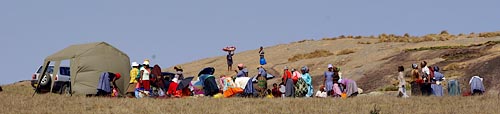 Mobile Clinic |



Volunteer Opportunities | Research & Publications | Background Information | Links | Contribute | Contact
Contact us at:
SWAZILAND HOMEOPATHY PROJECT
Registered charity No: R7/32485
Email: bjb@africaonline.co.sz
Post: P O Box 174, Mbabane, H 100, Swaziland